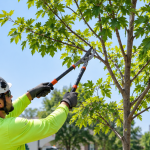
DIY large tree removal is extremely dangerous in Lexington County due to hidden tree defects, storm damage, and tight residential spaces. Mature trees such as loblolly pines, water oaks, and sweetgums can appear healthy but contain internal decay, weak unions, or storm-related damage that increases the risk of sudden failure. With many trees located near homes, fences, vehicles, and power lines, even a small mistake can lead to serious injury or costly property damage.
Tree work is one of the most hazardous occupations in the United States, with falls, chainsaw injuries, struck-by incidents, and electrocution among the leading causes of fatalities. Homeowners typically lack the training, protective equipment, and rigging systems needed to control large trees safely. Understanding the most common failure points can help prevent accidents and highlight when professional tree removal is the safer option.
Why Lexington County Trees Make DIY Removal Especially Risky
Lexington County’s common tree species and storm history create hidden hazards that many homeowners cannot identify. Large loblolly pines, water oaks, and sweetgums often contain internal decay, weak branch unions, or storm damage that may not be visible from the ground. Past hurricanes and severe storms have also left many trees with hidden cracks and structural weaknesses.
The risk increases in residential neighborhoods where mature trees often stand close to homes, fences, driveways, and power lines. Professional crews use climbing systems, rigging, bucket trucks, and cranes to control every section during removal. Without this equipment and training, DIY tree removal can quickly lead to serious injuries or costly property damage.
The 4 Reasons DIY Large Tree Removal Is Excessively Dangerous
1. Large Trees Hide Internal Defects That Cannot Be Seen From the Ground
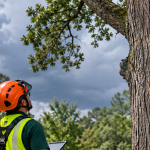
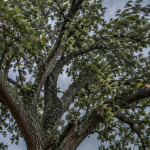
A mature tree may look healthy from the outside while hiding serious internal decay, cracks, or structural weaknesses. In Lexington County, species such as water oaks, loblolly pines, sweetgums, and pecans are especially prone to hidden defects that can cause unpredictable failures during removal. Certified arborists are trained to identify these risks through a detailed inspection, but most homeowners cannot detect them from the ground. When hidden defects are missed, a tree can split, fall unexpectedly, or shift direction during cutting, creating a serious safety hazard.
2. Chainsaws Cause Tens of Thousands of Severe Injuries Every Year
According to data summarized by the U.S. Occupational Safety and Health Administration’s tree care industry resources, tree care operations expose workers to falls, struck-by hazards, lacerations, and contact with energized power lines. Chainsaws are the most common cause of severe injuries in this work. The U.S. Consumer Product Safety Commission has estimated that roughly 36,000 chainsaw injuries are treated in emergency rooms in the United States every year, and the majority happen during homeowner tree work, not professional operations.
The combination of a powered cutting tool, an unpredictable load above the cutter, and no protective equipment is the single most common pattern in fatal tree removal incidents involving homeowners.
3. Overhead Power Lines and Drop Zones Create Catastrophic Liability
Large trees near homes are often close to power lines, creating a serious electrocution risk. Contact can occur through branches, tools, ropes, or direct contact with energized lines. Even residential service lines carry enough voltage to cause fatal injuries.
The fall zone is equally dangerous. A tree can fall in an unexpected direction due to lean, wind, trunk defects, or cutting errors. Without professional rigging and training, a falling tree can strike a home, vehicle, neighboring property, or the person cutting it. For any tree near power lines or structures, professional removal is the safest option.
4. No Rigging Means No Control Once Gravity Takes Over
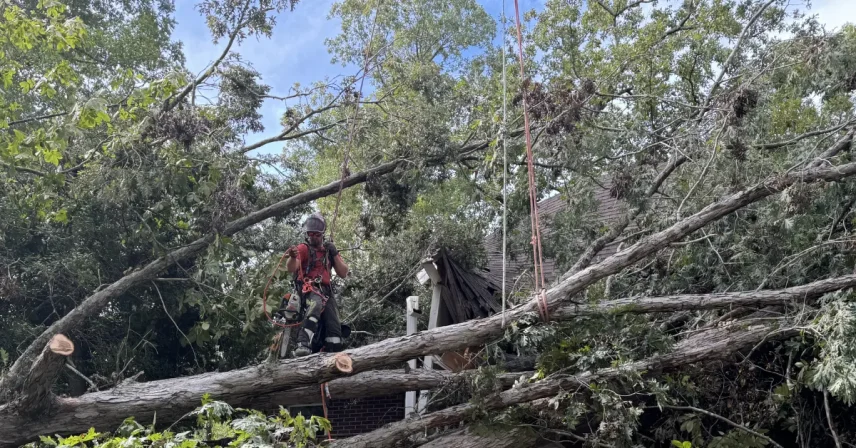
Large tree removal is usually done in sections, not with a single cut. Professional crews use ropes, rigging systems, and specialized equipment to lower limbs and trunk sections safely to the ground. In tight spaces, cranes may be used to prevent damage to nearby structures.
DIY removals carry significant risks. Large limbs can weigh hundreds of pounds and cause severe property damage or injury if they fall unexpectedly. Even after a tree is down, branches and logs can contain stored tension that releases suddenly when cut. These hidden hazards are a major reason large tree removals are best left to trained professionals.
What Goes Wrong When DIY Large Tree Removal Fails
The pattern is consistent enough across federal incident reports that the failure modes can be listed:
- The tree falls the wrong way and hits a house, garage, fence, or vehicle
- The trunk barber-chairs upward and strikes the cutter in the head or torso
- A major limb breaks loose during cutting and lands inside the planned escape route
- The chainsaw kicks back into the cutter’s face, neck, or hands
- A branch or rope contacts an energized power line
- The cutter falls from a ladder, a roof, or the tree itself
- A bystander, family member, or pet enters the drop zone at the wrong moment
- Stored tension releases violently during limbing or bucking after the tree is down
The common factor is that almost all of these outcomes are caused by decisions made before the first cut. The wrong notch placement, the wrong escape route, the wrong drop zone, the wrong rigging plan, or the wrong assumption about the tree’s internal structure. Professional crews build their workflow around eliminating these decision errors. DIY removals run directly into them.
What a Professional Large Tree Removal Actually Includes
A proper large tree removal in Lexington County goes well beyond cutting and dragging. It generally includes:
- A ground-level structural assessment of the root flare, trunk, scaffold branches, and canopy before any cuts are made
- A targeted plan for sectioning the tree based on the drop zone, surrounding structures, and overhead utilities
- Coordination with the local utility when the tree is within ten feet of an energized conductor
- Climbing systems, aerial lifts, or cranes appropriate to the size and access of the tree
- Certified rigging to lower limbs and trunk sections without freefall
- Personal protective equipment for every crew member on the site
- A defined drop zone with bystanders, pets, vehicles, and outdoor furniture cleared before work starts
- Stump grinding or cutting flush as part of the same scope
- Full debris cleanup and haul-off, leaving the site safe and walkable
- Documentation of liability insurance and workers’ compensation coverage is available on request
The South Carolina Forestry Commission’s guidance on hiring a tree care professional explicitly warns that pruning or removing large trees can be dangerous work and should only be done by people trained and equipped to work safely in trees. The guidance also notes that proper tree care is an investment in property value, while poorly maintained or improperly removed trees create significant liability.
What DIY Tree Removal Costs You Versus Hiring a Professional
Homeowners often weigh the cost of professional tree removal against the temptation to do it themselves and walk away with a few hundred dollars saved. The math does not hold up once the realistic risks are included. A single damaged roof from a misjudged fall can cost ten to fifty times the price of a professional removal. A trip to the emergency room with a chainsaw laceration runs into the thousands before any rehabilitation. A fatal incident costs everything.
Homeowners insurance generally treats tree damage from foreseeable failure differently from damage from healthy trees lost in extreme weather. The Insurance Information Institute’s guidance on tree damage and homeowners coverage notes that poor maintenance is generally not covered, which means a tree that was visibly hazardous before the DIY attempt may not be covered when it lands on the house. Liability coverage for injury to neighbors, contractors, or family members during DIY tree work is also more limited than most homeowners realize. A qualified contractor carries its own general liability and workers’ compensation coverage that protects the property owner from third-party claims.
Professional removal also resolves the cleanup and stump in one visit, leaving the site usable rather than turning a one-day job into a multi-week project with a stump still in the yard.
When to Stop DIY Tree Work Immediately and Call a Professional
There are conditions where DIY tree work crosses from risky into unjustifiable. Stop cutting and bring in a certified arborist if any of the following are present:
- The tree is taller than 25 to 30 feet
- The trunk is more than 12 to 14 inches in diameter
- The tree leans toward a house, garage, vehicle, fence, or power line
- The tree is within ten feet of an overhead electrical conductor
- The tree shows signs of internal decay, cavities, fungal conks, or split unions
- Storm damage has left hanging limbs, partial fractures, or a lifted root plate
- The drop zone is not at least one and a half times the tree height in a single clear direction
- The work requires climbing, ladders, or cutting above shoulder height with a chainsaw
- The tree is multi-stemmed or has codominant leaders with included bark
- A previous storm has already damaged the tree and the structural condition is unclear
Any one of these is a credible indicator that the job is beyond DIY scope. Two or more, and the only safe path is a professional crew with the equipment and training to manage the load from the top down.
Frequently Asked Questions About DIY Tree Removal in Lexington County
Can I legally remove a large tree from my own property in Lexington County?
In most cases, yes. Homeowners can remove trees on private residential property. However, municipalities such as the Town of Lexington, the City of West Columbia, the City of Cayce, and the Town of Chapin may have tree protection ordinances that apply to certain species, sizes, or locations. Check with your local code enforcement office before removing a large tree, especially if it is located in a front yard, near a public right-of-way, or within a protected area.
How do I know if a tree is too big for me to remove safely?
A practical rule is that if the tree is taller than your house, has a trunk wider than a standard kitchen chair seat, or stands within falling distance of any structure, it is beyond the scope of most DIY projects. A certified arborist can evaluate the tree and identify hazards that may not be visible from the ground.
Is it cheaper to remove a tree myself in Lexington County?
Only if nothing goes wrong. Once you factor in equipment rental, fuel, personal protective equipment, debris disposal, stump grinding, and the risk of property damage or injury, professional tree removal is often the more cost-effective option for trees over 25 feet tall.
What are the most dangerous trees to remove in Lexington County?
Some of the highest-risk removals include mature loblolly pines, large water oaks with internal decay, multi-stemmed sweetgums, and storm-damaged hardwoods. Trees with visible cavities, fungal growth, cracked trunks, or split branch unions should never be removed without professional assistance.
Does homeowners insurance cover damage if a tree falls on my house during a DIY removal?
Coverage depends on your insurance provider and policy terms. Many policies exclude damage caused by homeowner negligence or self-performed work. If a DIY tree removal damages your home, a neighboring property, or causes injury, the costs may not be covered. Review your policy with your insurance agent before beginning any removal project.
What should I do if a tree is leaning toward my house in Lexington County?
Contact a certified arborist immediately. A tree with a recent lean or visible root movement can fail unexpectedly. Keep people and vehicles outside the potential fall zone and avoid attempting removal yourself until the tree has been professionally assessed.
How long does it take a professional crew to remove a large tree?
Most mature trees can be removed in a half day to a full day. The timeline depends on the tree’s size, location, access, nearby structures, and whether specialized equipment such as cranes or rigging systems is required.
Can I rent a chainsaw and PPE and do this safely myself?
Equipment alone does not make tree removal safe. Professional tree work requires training, experience, hazard recognition, and proper cutting techniques. While rented equipment may be suitable for minor pruning, removing a large tree without experience carries significant risk.
What is the safest way to handle a tree damaged by a storm in Lexington County?
Do not approach a storm-damaged tree with a chainsaw. Broken limbs and partially failed trunks often contain stored tension that can release suddenly when cut. Contact a certified arborist experienced in storm damage and emergency tree removal.
Are there grants or programs in Lexington County to help with hazardous tree removal?
There is no permanent public program that covers routine residential tree removal in Lexington County. However, after federally declared disasters, assistance programs may become available through state or federal agencies. Homeowners can also contact the South Carolina Forestry Commission or local extension offices for guidance on available resources.
What questions should I ask before hiring a tree removal company in Lexington County?
Before hiring a tree removal company, ask for:
- Proof of general liability insurance
- Workers’ compensation coverage
- ISA Certified Arborist credentials
- References from recent local projects
- A detailed written estimate
Avoid contractors who solicit door-to-door after storms, request full payment upfront, or refuse to provide proof of insurance.
Should I get more than one estimate for tree removal?
Yes. Getting multiple estimates helps you compare pricing, evaluate the proposed scope of work, and identify unusually high or low bids. It also provides a clearer understanding of the safest and most appropriate removal approach before signing a contract.
Get a Professional Evaluation Before You Cut
If you have a large tree that needs to be removed, the safest first step is a professional evaluation. Dixon Trees provides safe large tree removal throughout Lexington County using proper equipment, rigging, and crane-assisted methods when needed. A professional assessment can identify hidden hazards and help prevent costly property damage or serious injury.