South Carolina weather impacts trees in Columbia through a combination of extreme humidity, summer heat, severe storm winds, and heavy clay soil. High humidity creates ideal conditions for fungal diseases and pests, while prolonged heat and drought weaken the tree’s natural stress response. Furthermore, because local clay soil retains water and restricts root depth, heavy rains easily saturate the ground, leaving trees highly vulnerable to sudden uprooting when strong thunderstorm winds or tropical storm remnants hit the Midlands.
Why Columbia’s Climate Creates Multiple Tree Risks
Columbia’s location in the Midlands exposes trees to several different types of environmental stress throughout the year. Summer brings high temperatures and frequent thunderstorms, while periods of dry weather can create drought stress. Heavy rainfall can saturate poorly drained or compacted soils, and tropical systems can occasionally bring strong winds and substantial rainfall to the region.
Winter ice events are less common, but ice accumulation can add significant weight to branches and increase the risk of limb breakage. Because these stresses occur at different times of year, tree care in Columbia needs to account for both seasonal weather and the individual tree’s health, structure, root condition, and site characteristics.
Summer Heat, Humidity, and Thunderstorms
Columbia summers regularly push into the 90s for weeks at a time. That combination of heat and humidity creates ideal conditions for fungal pathogens. It also stresses trees enough to invite pest activity, including bark beetles. Long stretches without rain during these hot months add drought stress on top of the heat. That’s a common reason trees that survive summer end up more vulnerable heading into the next storm.
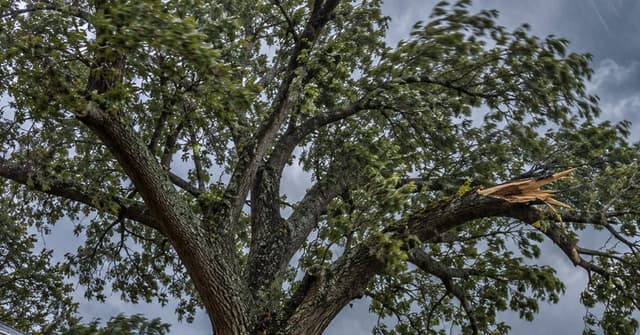
Then there’s the thunderstorm side of summer. Microbursts and gusts over 60 mph are common in July and August. They specifically target weak branch unions and overextended limbs. Those are the exact defects structural pruning is designed to correct before a storm finds them.
Tropical Storm Remnants and Saturated Soil
Every few years, the remnants of an Atlantic tropical system push inland through the Midlands. By the time they reach Columbia, they’re usually more about rain and sustained wind than a coastal-strength storm. That combination is dangerous specifically because saturated soil loses much of its ability to hold a root system in place. Trees that would easily survive high wind on dry ground go over instead.
This is also when we see the most storm-related calls. Cracked limbs, leaning trunks, lifted roots. These mean a tree needs immediate attention rather than a wait-and-see approach.
How Clay Soil Impacts Root Stability
Piedmont clay, the dominant soil type across Lexington and Columbia, holds water well but limits how deep and how widely roots can spread compared to looser, sandier soil. That shallower root architecture is fine under normal conditions. It becomes a real liability once the ground saturates during a heavy rain event, since there’s simply less anchoring holding the tree in place.
This is one reason a tree that’s stood for decades can still uproot in a storm that, on paper, wasn’t especially severe. Soil type matters as much as wind speed when we’re evaluating risk on a property.
Winter Ice Events (Rare but Damaging)
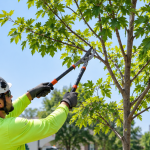
Ice storms are uncommon in the Midlands, but when they hit, they’re disproportionately damaging. Local trees aren’t built for that kind of loading. Even a light coating of ice can add enough weight to snap limbs that would easily handle far heavier wind loads. Species with weaker branch attachments are hit hardest. That’s part of why proper tree trimming before winter, reducing weight on long lateral limbs, pays off during the rare ice event.
Lightning Risk in the Midlands
South Carolina ranks among the most lightning-prone states in the country. Columbia’s frequent summer thunderstorms mean direct strikes on trees aren’t rare. A struck tree can look completely normal for weeks while sustaining serious internal damage that only becomes visible later. That makes lightning one of the harder risks to catch without a professional look.
Drought Stress Between the Storms
Columbia summers aren’t just hot and stormy. They also bring stretches of dry weather between rain events, and that swing between drought and downpour is hard on trees. A tree that’s been under drought stress for several weeks goes into the next storm with less energy reserve to recover from wind damage. Stressed trees are also more attractive targets for opportunistic pests like bark beetles.
This cycle of stress and recovery repeats every summer in the Midlands. It’s part of why a tree’s health going into storm season matters as much as the storm itself. A well-maintained tree with a healthy root system and balanced canopy handles both drought stress and wind stress far better than one that’s already struggling.
Pest Pressure Tied to Local Climate
Warm, humid conditions extend the active season for many wood-boring insects and fungal pathogens compared to cooler climates. That gives pests more opportunity to establish in a weakened tree. Trees already dealing with heat or drought stress are typically the first ones pests target. Stressed trees produce less of the natural sap and chemical defenses that keep healthy trees protected.
An experienced tree service firm in Columbia, South Carolina can perform regular inspection to catch pest and disease activity while it’s still manageable. That’s before it spreads to structural wood and turns a treatable problem into a removal.
Planning Around What Columbia’s Climate Actually Does
Columbia’s weather doesn’t hit trees the same way twice. A dry, hot July sets up different risks than a wet September remnant storm. Both are different from the rare January ice event. Rather than reacting to whatever the current season brings, the more effective approach is a maintenance rhythm that accounts for all of it. Structural checks before storm season. Pruning to manage weight and airflow through the summer. A general eye toward soil and root health year-round, since that’s the factor tying most of these risks together.
What This Means for Tree Maintenance in Columbia
Taken together, these climate factors point to the same conclusion.
- Proactive pruning and periodic inspection matter more here than in milder climates.
- Reducing weak limbs before storm season, keeping canopies properly thinned, and
- Catching early signs of pest or fungal stress during the hot months all reduce the odds of a tree becoming a storm casualty.
Property owners managing multiple trees – HOAs, commercial sites, larger lots benefit especially from a standing inspection schedule rather than reacting after each storm.
Work With a Local Tree Service Company in Columbia, SC
Dixon Trees LLC helps Columbia and Midlands property owners navigate South Carolina’s harsh climate with proactive, expert tree care. Our team performs pre-storm inspections, crown thinning, and structural pruning to reduce canopy weight and improve airflow before severe weather hits. We evaluate shallow root systems in heavy Piedmont clay to identify uprooting risks, cracked limbs, and internal damage from summer heat or lightning strikes.
Whether preparing your property for tropical storm remnants or restoring trees after a severe storm, our crew provides reliable care, 24/7 emergency response.
Ready to safeguard your landscape against South Carolina weather? Call Dixon Trees LLC to request a free estimate today to get expert guidance on protecting your trees year-round.
Frequently Asked Questions
What time of year is riskiest for trees in Columbia SC?
Late summer, particularly July through September, combines the highest thunderstorm and tropical remnant activity with heat-stressed trees. That makes it the peak season for tree failures. Winter ice events are rarer but can be severe when they occur.
Why do trees fall in storms that don’t seem that severe?
Saturated clay soil is usually the answer. Once the ground is fully soaked from heavy rain, it takes far less wind to uproot a tree than it would on dry, well-drained soil. This is true even for otherwise healthy trees.
Does South Carolina’s climate affect which trees are safest to plant?
Yes. Species like Live Oak and Longleaf Pine handle Midlands wind and clay soil conditions noticeably better than species with shallow, wide-spreading root systems. Our Columbia SC service area page lists the species we recommend most for local conditions.
How does humidity affect tree disease in Columbia?
Prolonged humidity keeps leaf surfaces and bark damp longer, which favors fungal pathogens and can accelerate the spread of disease through a stressed tree. Good airflow through proper canopy thinning reduces this risk somewhat by helping foliage dry out faster after rain.
Should I get my trees inspected before hurricane season?
Yes. A pre-season inspection catches weak limbs, structural defects, and early signs of stress before wind and rain put them to the test. Call (803) 598-3888 or request a free estimate to get your property checked before storm season peaks.